
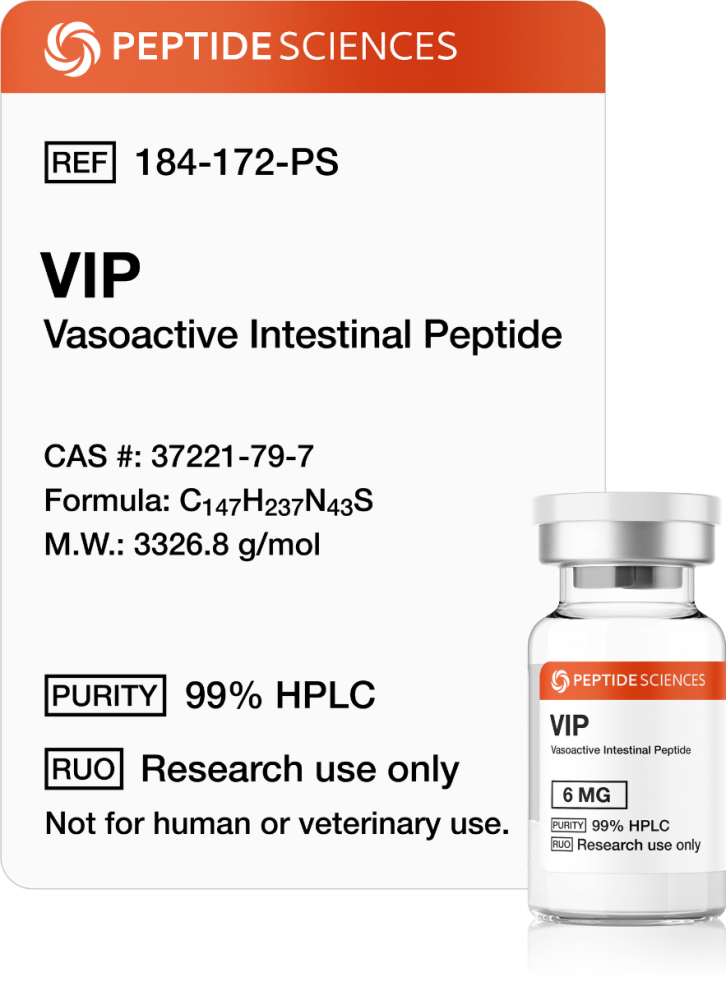
VIP 6MG Peptide: Research Overview, Mechanism, Benefits, and Safety Information
Introduction to VIP 6MG Peptide Research
VIP 6MG refers to a formulation associated with Vasoactive Intestinal Peptide (VIP), a naturally occurring peptide that plays an important role in several biological processes. Researchers have studied VIP because of its involvement in immune regulation, nervous system communication, and cellular signaling.
Interest in VIP peptide research has increased as scientists continue exploring how naturally occurring peptides influence different physiological pathways. This article provides an overview of VIP 6MG, including its biological role, research applications, mechanisms, and important safety considerations.
What Is VIP (Vasoactive Intestinal Peptide)?
Vasoactive Intestinal Peptide is a neuropeptide produced naturally within the human body. It belongs to a group of signaling molecules that help regulate communication between cells and tissues.
VIP is primarily associated with the nervous system, digestive system, and immune responses. Researchers have investigated its potential role in:
- Cellular communication
- Inflammatory pathway regulation
- Smooth muscle activity
- Immune system signaling
- Neurological processes
Because VIP interacts with multiple biological systems, scientists continue studying its complex functions and possible therapeutic applications.
How Does VIP Peptide Work?
V works by interacting with specific receptors located on various cells throughout the body. These receptors help transmit signals that may influence different physiological activities.
Research suggests V may affect pathways involved in:
Immune System Signaling
Scientists have studied V’s relationship with immune cell activity and inflammatory responses. Its interaction with immune pathways makes it an area of interest in biomedical research.
Nervous System Communication
V functions as a neurotransmitter and neuromodulator, meaning it can help regulate communication between nerve cells.
Digestive System Regulation
The peptide was initially identified because of its effects on intestinal activity and blood vessel relaxation, which contributed to its name.
VIP 6MG Research Areas
Scientific interest in V has expanded into multiple research fields. Some areas being explored include:
Peptide-Based Research
Researchers study naturally occurring peptides like V to better understand how signaling molecules influence human biology.
Inflammation Research
V has been investigated for its possible relationship with inflammatory processes. Researchers continue examining how peptide signaling may interact with immune responses.
Neurological Studies
Because V is involved in nervous system signaling, scientists have explored its potential relevance in neurological research.
It is important to note that research findings do not automatically indicate effectiveness for general health purposes. More studies are needed to fully understand many peptide-related applications.
Potential Benefits Investigated in Scientific Research
V peptide research has examined several possible biological effects, including:
- Supporting communication between cells
- Influencing immune signaling pathways
- Regulating certain biological responses
- Contributing to nervous system functions
However, scientific research is ongoing, and results may differ depending on study conditions, dosage methods, and individual biological factors.
VIP 6MG and Regulatory Considerations
The regulatory status of peptide compounds can vary depending on the country, intended purpose, and specific application. In the United States, peptide-related treatments may have different requirements depending on whether they are approved medical products, research compounds, or experimental substances.
Individuals should always consult qualified healthcare professionals before considering any peptide-related therapy or treatment.
Safety Information and Responsible Research
Peptides can interact with complex biological systems. Understanding potential risks, limitations, and appropriate scientific context is essential.
Important factors researchers and healthcare professionals consider include:
- Individual health conditions
- Existing medications
- Biological responses
- Long-term safety information
- Clinical evidence availability
Responsible peptide research relies on accurate information, quality scientific methods, and professional oversight.
Frequently Asked Questions About VIP 6MG
What is VIP peptide?
V, or Vasoactive Intestinal Peptide, is a naturally occurring signaling peptide involved in nervous system communication, immune regulation, and digestive functions.
Why is VIP studied in research?
Scientists study V because of its involvement in cellular signaling, immune pathways, and neurological processes.
Is VIP 6MG approved for general use in the USA?
Regulatory approval depends on the specific product, application, and medical context. Individuals should consult healthcare professionals for current guidance.
How does VIP differ from other peptides?
V has a unique biological role related to neurotransmission, immune signaling, and vascular activity, making it different from peptides studied primarily for other pathways.
Conclusion
V 6MG represents an area of growing interest in peptide science and biomedical research. As scientists continue investigating vasoactive intestinal peptide pathways, new insights may emerge about its role in human biology.
Understanding V research requires looking at scientific evidence, regulatory information, and safety considerations. Staying informed helps ensure that peptide discussions remain accurate, responsible, and based on current research.
Reviews
There are no reviews yet.