
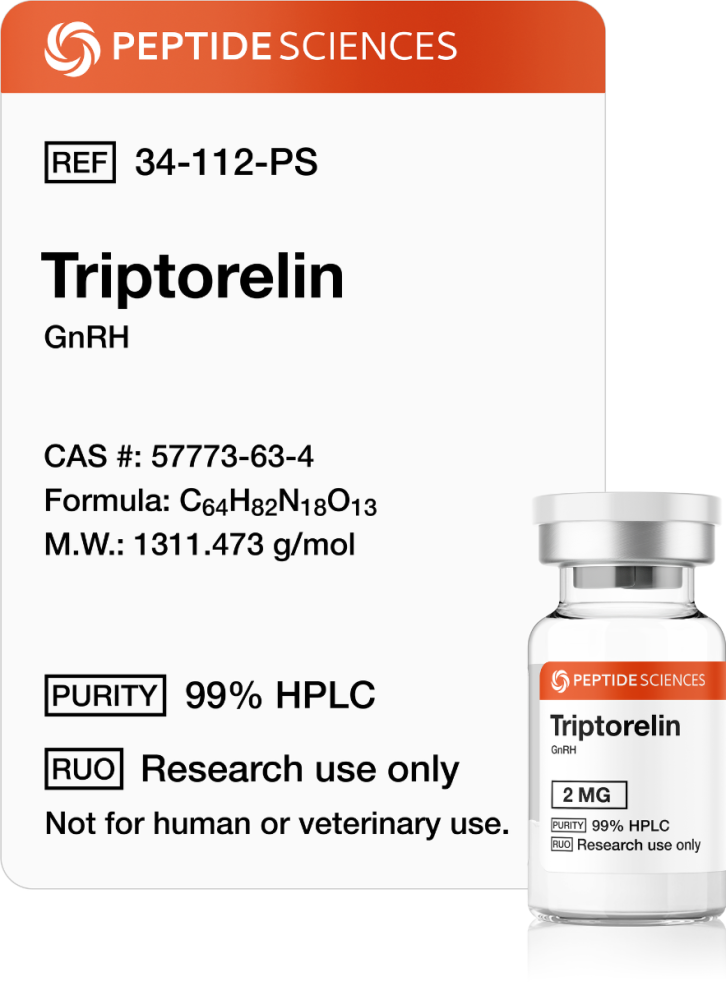
Triptorelin (GnRH) 2MG: Research Overview, Mechanism of Action, Uses, and Safety Information
Introduction to Triptorelin (GnRH) 2MG
Triptorelin is a synthetic peptide analogue related to gonadotropin-releasing hormone (GnRH), a naturally occurring hormone responsible for regulating reproductive hormone activity. It has been extensively studied in endocrinology and reproductive medicine because of its ability to influence the communication between the brain and reproductive system.
Triptoreln 2MG is discussed within medical and scientific contexts due to its role in hormone regulation pathways. This article provides an educational overview of Triptorelin, including its mechanism of action, research background, medical applications, and important safety considerations.
What Is Triptorelin?
Triptoreln is a laboratory-developed analogue of gonadotropin-releasing hormone. GnRH is naturally produced in the hypothalamus and plays an essential role in controlling the release of reproductive hormones.
The body uses GnRH signals to regulate the production of:
- Luteinizing hormone (LH)
- Follicle-stimulating hormone (FSH)
- Sex hormones, including testosterone and estrogen
By interacting with GnRH receptors, Triptoreln has been studied for its ability to influence hormonal signalling pathways.
How Does Triptorelin Work?
Triptoreln works by interacting with GnRH receptors located in the pituitary gland. Its effects depend on how it is administered and the duration of exposure.
The mechanism involves regulation of hormone signalling between the brain and reproductive system.
Hormonal Regulation
Triptoreln influences the release of LH and FSH, two hormones involved in reproductive function and sex hormone production.
GnRH Pathway Research
Scientists study Triptoreln because it provides insight into how GnRH pathways control endocrine functions.
Endocrine System Applications
Research involving Triptoreln contributes to understanding hormone-dependent conditions and reproductive health management.
Medical Research and Applications of Triptorelin
Triptoreln has been studied extensively in several areas of medicine where hormone regulation plays an important role.
Hormone-Dependent Conditions
Researchers and healthcare professionals have investigated GnRH analogues, including Triptorelin, in conditions where controlling hormone activity may be medically relevant.
Reproductive Medicine
GnRH analogues are used in reproductive medicine research because of their ability to regulate hormone cycles and reproductive hormone signalling.
Endocrinology Studies
Triptoreln continues to be an important compound in endocrine research because it helps scientists understand hormonal feedback systems.
Triptorelin and Hormonal Signalling Research
The endocrine system functions through a complex network of signals between organs, hormones, and receptors.
Triptorelin research helps scientists examine:
- Hormone receptor interactions
- Pituitary gland activity
- Reproductive hormone regulation
- Endocrine feedback mechanisms
Understanding these pathways has contributed to advances in hormone-related medical research.
Benefits of GnRH Research Compounds in Medicine
Scientific research involving GnRH analogues has contributed to improved understanding of hormone-related conditions.
Research benefits include:
- Better understanding of endocrine pathways
- Improved knowledge of hormone regulation
- Development of specialised medical treatments
- Advancement of reproductive health research
However, medical outcomes depend on individual circumstances, professional evaluation, and approved clinical protocols.
Triptorelin 2MG Safety Considerations
Because Triptoreln affects hormone pathways, it should only be considered within appropriate medical guidance.
Healthcare professionals evaluate factors such as:
- Medical history
- Existing health conditions
- Current medications
- Hormonal status
- Potential side effects
Hormone-related treatments can produce significant biological changes, making professional supervision important.
Possible Side Effects and Medical Monitoring
Like other hormone-modulating therapies, Triptorelin may be associated with side effects depending on individual factors and treatment context.
Healthcare providers may monitor:
- Hormone levels
- Treatment response
- Overall health changes
- Long-term effects
Patients should discuss any concerns with a licensed medical professional.
Regulatory Information in the USA
In the United States, Triptorelin is considered a prescription medication requiring appropriate medical oversight. Regulatory approval, approved uses, and prescribing information are determined by official health authorities.
Consumers should rely on qualified healthcare providers and trusted medical sources for accurate information about prescription therapies.
What is Triptorelin?
Triptoreln is a synthetic GnRH analogue studied for its effects on reproductive hormone regulation and endocrine pathways.
How does Triptorelin affect hormones?
Triptoreln interacts with GnRH receptors and influences the release of hormones such as LH and FSH.
Is Triptorelin a natural hormone?
No. Triptoreln is a synthetic analogue designed to mimic and regulate GnRH-related biological activity.
Is Triptorelin available without medical supervision?
Triptoreln is a prescription medicine and should only be used under appropriate healthcare guidance.
Conclusion
Triptoreln (GnRH) 2MG is an important compound in endocrine and reproductive medicine research. Through its interaction with GnRH pathways, it has helped scientists and healthcare professionals better understand hormone regulation and related biological processes.
As with all hormone-modulating medications, accurate information, professional guidance, and responsible medical evaluation are essential. Understanding the science behind Triptorelin allows readers to better appreciate its role in modern endocrinology and reproductive health research.
Reviews
There are no reviews yet.