
OVERVIEW
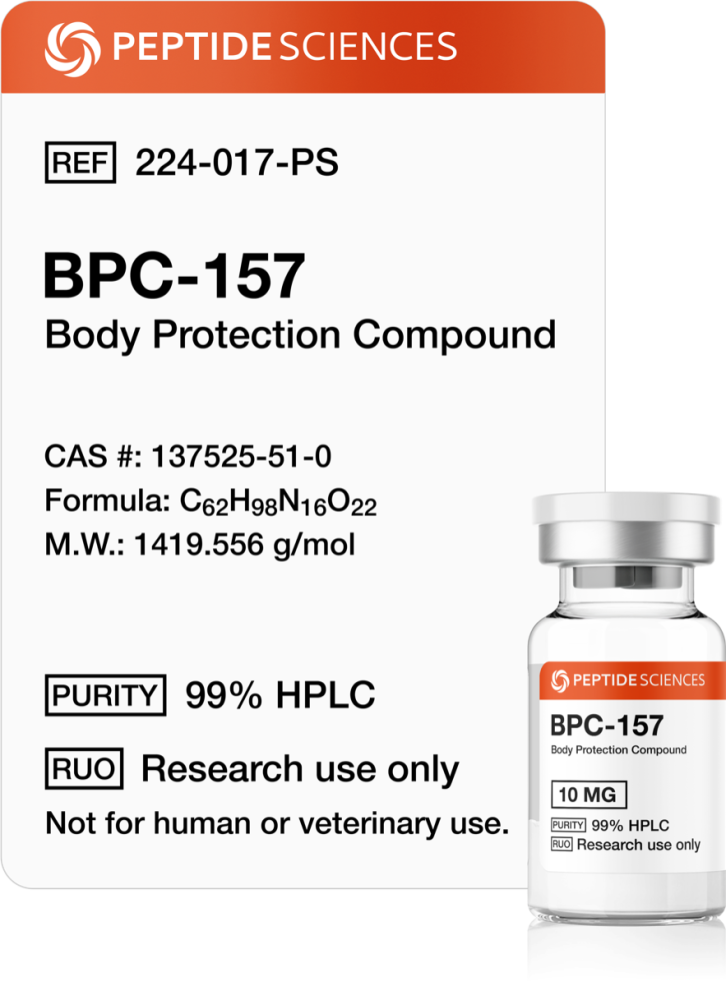
BPC-157 (Body Protection Compound-157) is a synthetic pentadecapeptide made up of 15 amino acids derived from a naturally occurring gastric protein. In preclinical research, particularly in rodents and cell models, BPC-157 has consistently shown potential regenerative and protective effects across various tissue types — including muscle, tendon, ligament, bone, and the gastrointestinal tract — by promoting angiogenesis (new blood vessel formation), modulating inflammation, and enhancing cellular repair processes. These actions have led researchers to explore it experimentally as a healing and tissue-repair agent in sports medicine and regenerative biology.
However, BPC-157 remains an investigational research compound and is not approved for human therapeutic use by regulatory authorities such as the U.S. Food and Drug Administration. Human clinical data are extremely limited, and large-scale trials establishing safety, efficacy, proper dosing, and long-term effects have not been completed. Products sold online are often labeled “for research use only,” and their purity and quality can vary widely, posing risks of contamination or incorrect dosing. The peptide is also prohibited by the World Anti‑Doping Agency in sport due to potential performance-enhancing use, and medical experts caution against self-administration outside approved research settings.
Reviews
There are no reviews yet.