
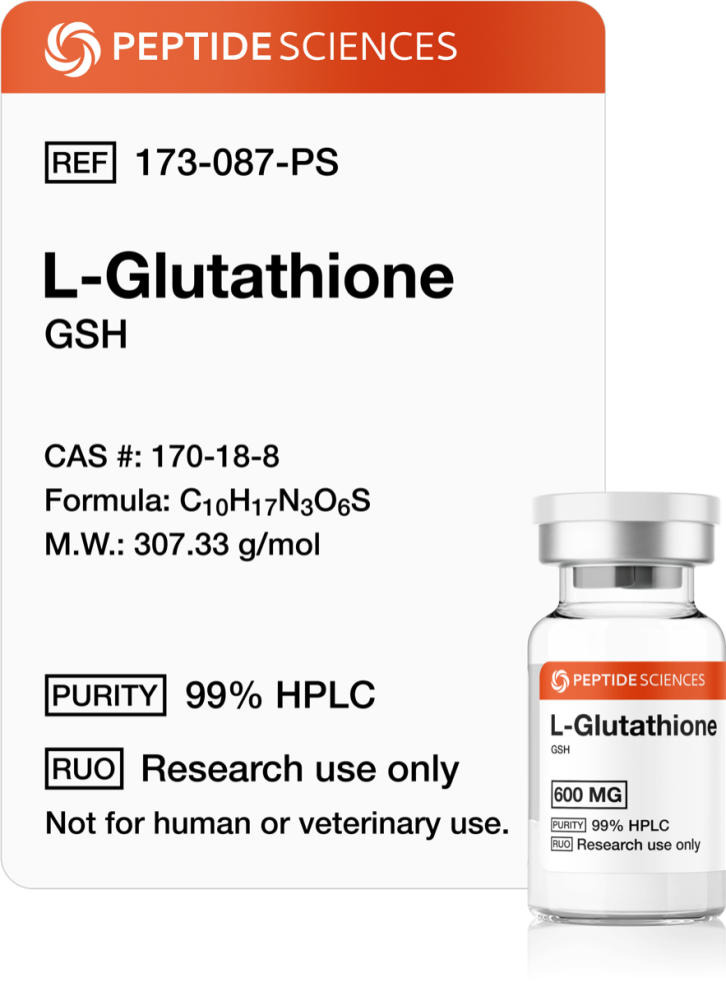
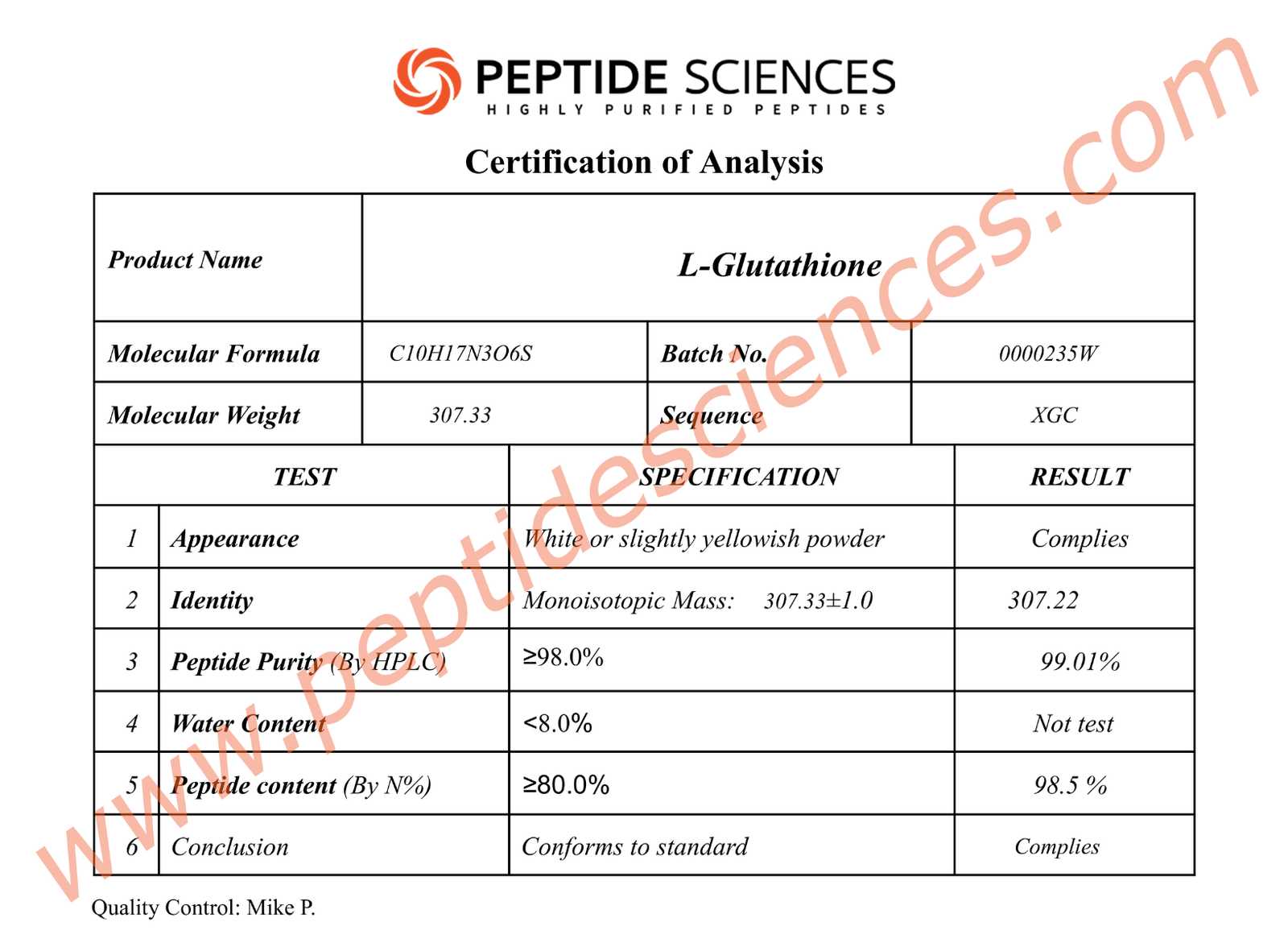
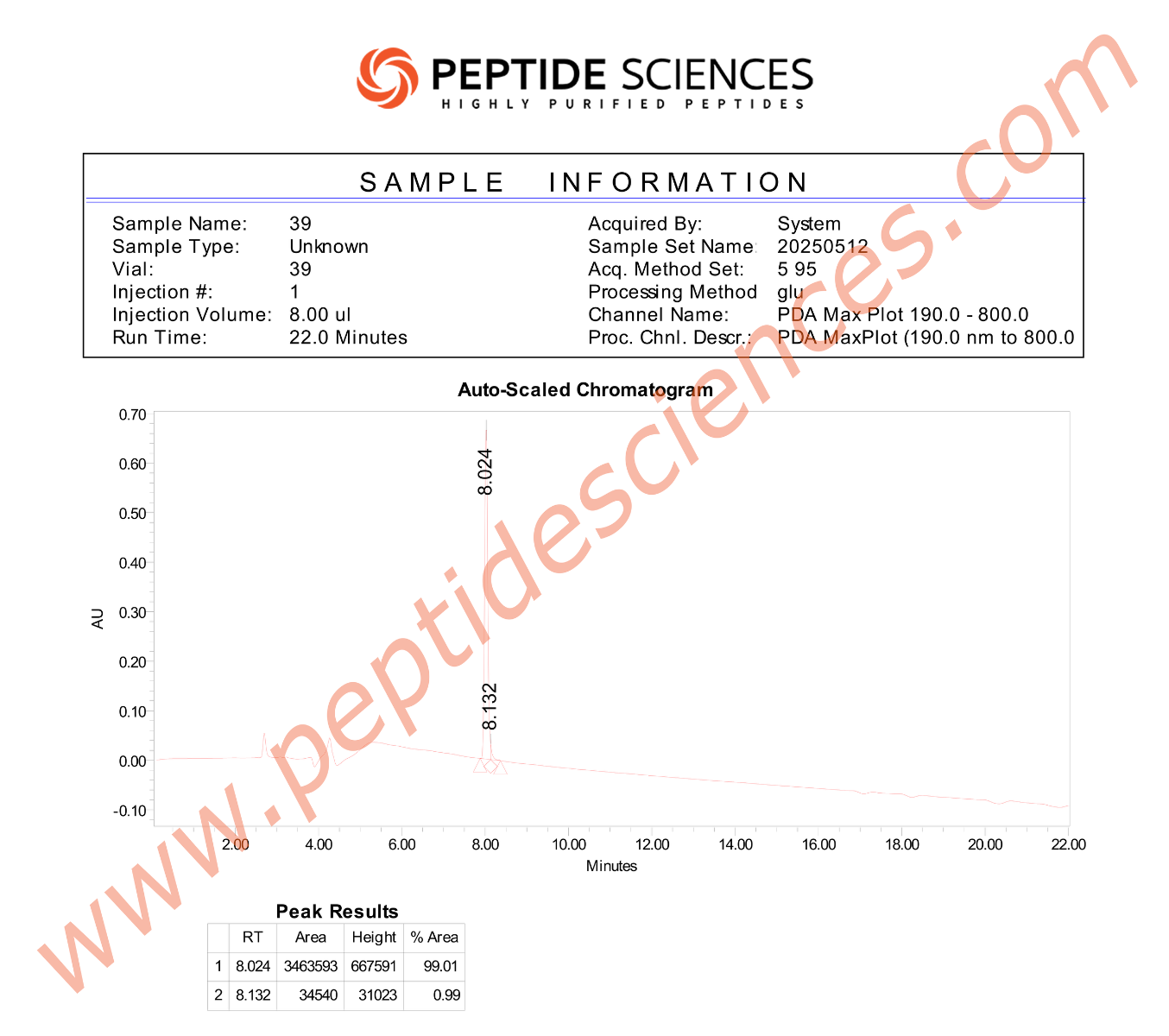
What is L-Glutathione?
is a natural antioxidant tripeptide made from glutamine, cysteine, and glycine. Your body produces it in the liver, and it plays a major role in:
- Neutralizing free radicals
- Supporting liver detoxification
- Cellular protection and repair
- Immune system function
It’s often called the body’s “master antioxidant.”
What “600mg” products mean
A listing like:
👉 L-Glutathione 600mg
usually refers to:
- A dietary supplement capsule or tablet
- Containing 600mg of glutathione (often reduced form)
- Designed for oral antioxidant support
Example products on the market highlight antioxidant and skin-support claims such as improving oxidative stress balance and supporting skin health. (1mg)
Important reality about absorption
Here’s something most marketing doesn’t explain clearly:
- Oral glutathione is poorly absorbed in many cases
- It can be broken down in the digestive system before full uptake (peptidegurus.com)
Because of this, many people instead use:
- NAC (N-Acetyl Cysteine) → helps the body produce its own glutathione
- Liposomal glutathione (better absorption forms in some studies)
Why people take it
Common reasons include:
Antioxidant support
- Reducing oxidative stress
- Cellular protection
Liver support
- Detoxification processes in the liver
Skin-related marketing claims
- Often promoted for “brightening” or “even tone” effects (not strongly proven medically)
Important safety context
L-Glutathione is generally considered low-risk in supplement form, but:
- Effects vary depending on formulation and absorption
- Not a substitute for medical treatment
- Quality differs between manufacturers
Bottom line
is a naturally occurring antioxidant molecule involved in detoxification and cellular protection, and “600mg” products are dietary supplements with variable absorption and effects depending on formulation quality.
Reviews
There are no reviews yet.