
OVERVIEW
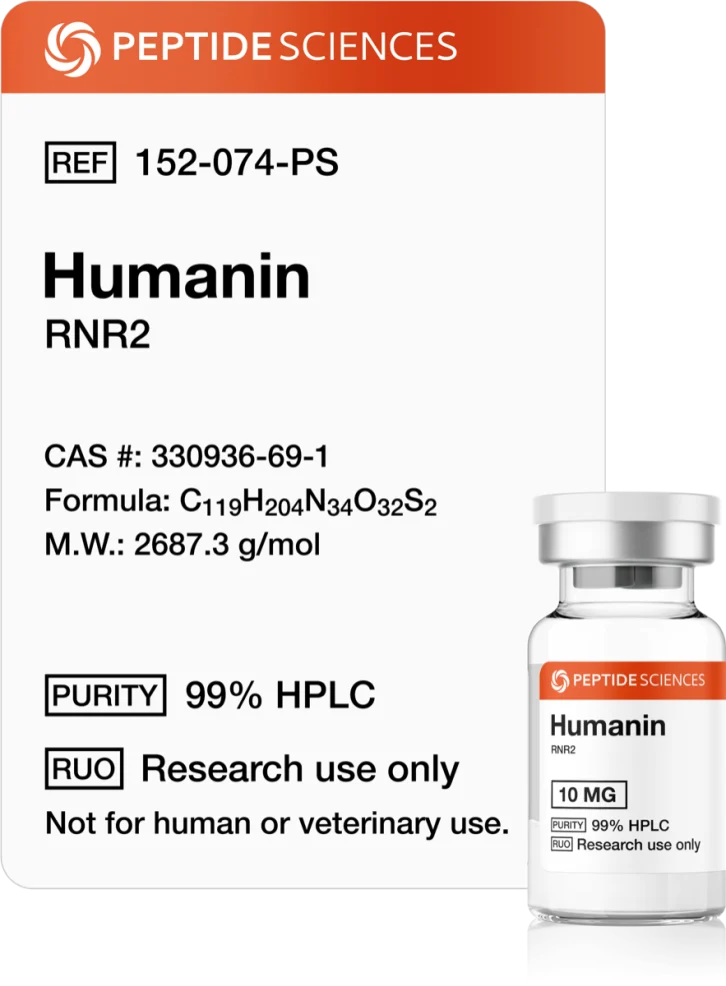
Humanin 10 mg refers to a synthetic preparation of Humanin, a small mitochondrial-derived peptide first identified in 2001 during research into neuroprotection. Humanin is naturally produced within the body and has been studied for its potential role in protecting cells from stress-induced damage. Early research suggests it may help regulate apoptosis (programmed cell death) and support cellular survival pathways, particularly in tissues vulnerable to oxidative stress. Because mitochondrial dysfunction is associated with aging and various degenerative conditions, Humanin has attracted attention in longevity and metabolic research. The 10 mg designation typically indicates a lyophilized research-grade quantity intended for controlled laboratory investigation.
Preclinical studies have explored Humanin’s potential involvement in neuroprotection, insulin sensitivity, and cardiovascular function. Some research suggests it may interact with inflammatory pathways and help modulate cellular responses to metabolic stress. Its activity appears to involve multiple signaling mechanisms, including binding to specific cell surface receptors and influencing intracellular survival cascades. While these findings are promising, Humanin remains primarily a research compound, and comprehensive human clinical data are still limited. As interest grows in mitochondrial health and age-related biology, Humanin continues to be studied for its broader implications in cellular resilience and systemic health regulation.
Reviews
There are no reviews yet.