
What is Hexarelin?
is a synthetic growth hormone–releasing peptide (GHRP) that stimulates the body’s natural release of growth hormone through the ghrelin receptor pathway.
It is often described in research as one of the most potent GH secretagogues in its class.
How it works (simple breakdown)
Hexarelin:
- Activates the GHS-R1a (ghrelin) receptor
- Triggers strong growth hormone (GH) pulses
- Can also influence downstream IGF-1 signaling in research models
In lab discussions, it’s often compared with other GH peptides because it produces a very strong GH response relative to older GHRPs. (peptidegold.com)
What “10mg vial” means
A listing like:
👉 Hexarelin 10mg
usually refers to:
- A freeze-dried (lyophilized) peptide powder
- Total content = 10 milligrams per vial
- Intended for laboratory research use only
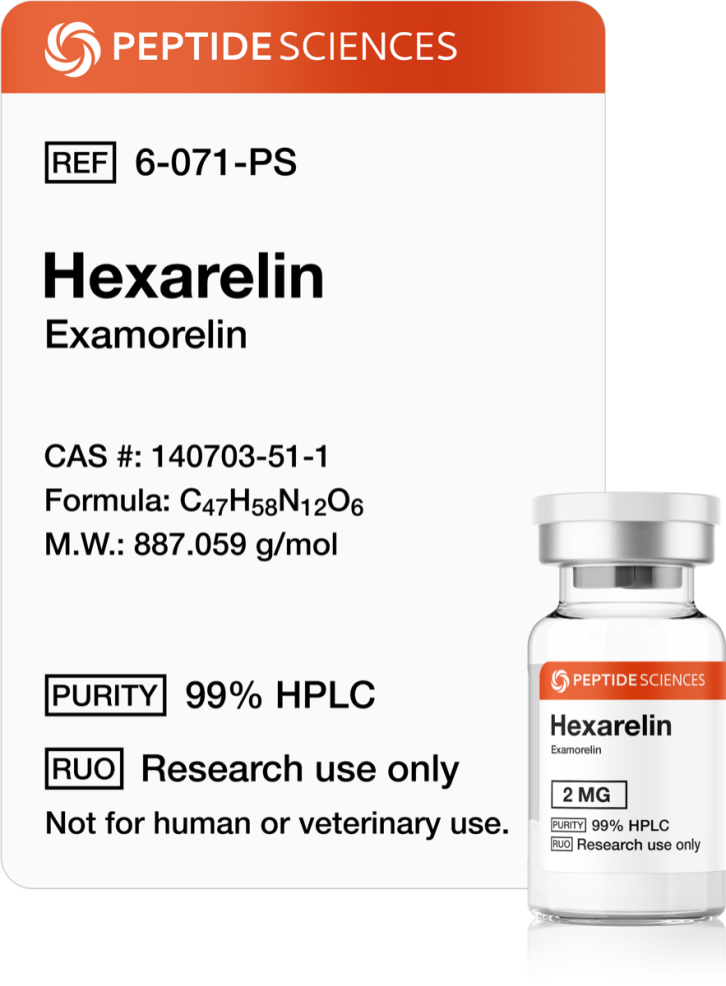
Example vendor labeling confirms:
“For in vitro research purposes only, not for human use.” (HONGKONG PEPTIDE SCIENCES)
Why it’s popular in research discussions
Hexarelin is studied for:
- GH pulse stimulation
- IGF-1 pathway effects
- Muscle and connective tissue research models
- Metabolic signaling pathways
Some research discussions also note:
- Strong GH release compared to other GHRPs
- Potential effects on recovery and tissue repair pathways (preclinical)
Important reality check
Even though it’s widely sold online:
- ❌ Not FDA-approved
- ❌ Not a licensed medication or supplement
- ❌ No standardized safe human dosing
- ✔ Classified as a research chemical
And importantly: vendors explicitly state it is not for human consumption. (peptide.shop)
Risks people often overlook
Based on research discussions and reports:
- Strong endocrine stimulation (GH axis stress)
- Possible desensitization with repeated exposure
- Potential prolactin/cortisol changes in some contexts
- No long-term safety data in non-clinical use
Key takeaway
is a very potent growth hormone–releasing research peptide that strongly activates the ghrelin receptor and GH axis, but “10mg vial” products sold online are unregulated laboratory materials—not approved medicines, supplements, or safe consumer products.
Reviews
There are no reviews yet.