
OVERVIEW
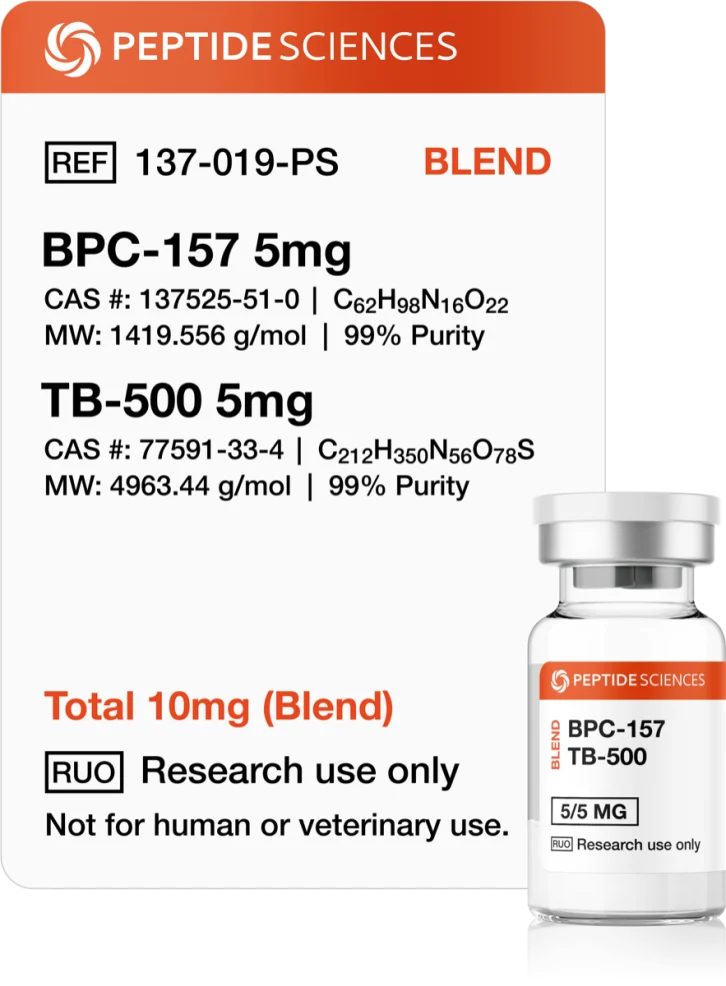
BPC-157/TB-500 (Blend) is a combination of two synthetic peptides — BPC-157, a 15-amino-acid fragment derived from a protective stomach protein, and TB-500, a synthetic version of a naturally occurring fragment of thymosin beta-4. BPC-157 has been studied in preclinical models for its potential to enhance tissue repair, support angiogenesis (formation of new blood vessels), and modulate inflammation across a range of tissues including muscle, tendon, ligament, nerve, and gastrointestinal lining. TB-500 similarly has been researched for its ability to promote cell migration, reduce inflammation, and encourage healing and recovery in connective tissues by influencing actin regulation and cellular motility. The rationale behind blending the two is to combine complementary mechanisms — with BPC-157 potentially aiding local tissue protection and repair and TB-500 supporting broader tissue remodeling and recovery processes. In laboratory and animal studies, both peptides have shown accelerated wound healing, improved muscle and tendon recovery, and enhanced vascularization compared to controls.
However, the BPC-157/TB-500 blend remains an investigational research compound and is not approved by regulatory authorities such as the U.S. Food and Drug Administration for therapeutic use. Human clinical data are very limited, and most available evidence comes from in-vitro or animal research, which may not translate directly to safe or effective outcomes in people. Products marketed as peptide blends often vary in purity and quality, as they are typically sold for “research use only,” and are not subject to pharmaceutical manufacturing standards. Additionally, both peptides are on the World Anti‑Doping Agency prohibited list for athletes due to potential performance-enhancing effects. Individuals should avoid self-administration of experimental blends and consult qualified healthcare professionals when considering any investigational compounds.
Reviews
There are no reviews yet.