
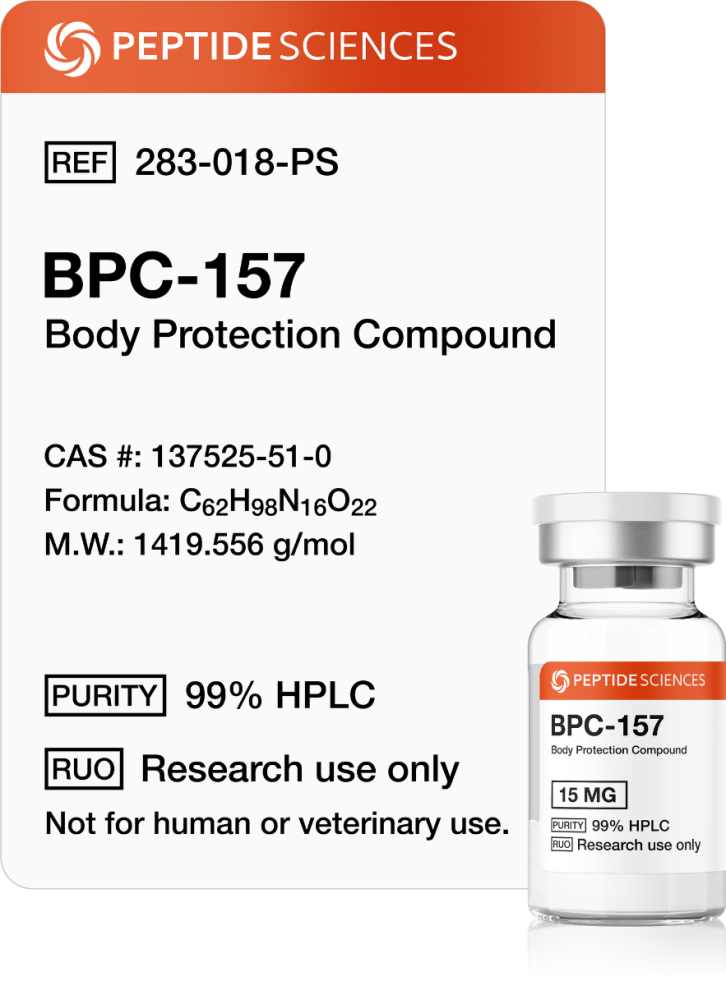
BPC-157 (Body Protection Compound-157) is a synthetic peptide composed of 15 amino acids, originally derived from a protective protein found in human gastric juice. It has been widely studied in laboratory and animal models for its potential regenerative properties. Preclinical research suggests BPC-157 may promote angiogenesis (formation of new blood vessels), support collagen production, and modulate inflammatory pathways. These mechanisms have generated interest in its possible role in tendon, ligament, muscle, nerve, and gastrointestinal healing. In animal studies, it has demonstrated accelerated wound repair, improved tendon-to-bone healing, and protective effects in models of intestinal injury.
Despite growing popularity online, BPC-157 is not approved for medical use by regulatory authorities such as the U.S. Food and Drug Administration. Robust human clinical trials evaluating safety, dosing, and long-term effects are lacking, and most evidence comes from preclinical data. It is often sold as a “research chemical,” meaning quality control and purity may vary significantly between suppliers. Additionally, BPC-157 is listed as a prohibited substance by the World Anti-Doping Agency due to its potential performance-enhancing effects. Individuals should exercise caution and consult qualified healthcare professionals before considering any experimental peptide compounds.
Reviews
There are no reviews yet.